
~ Saranya
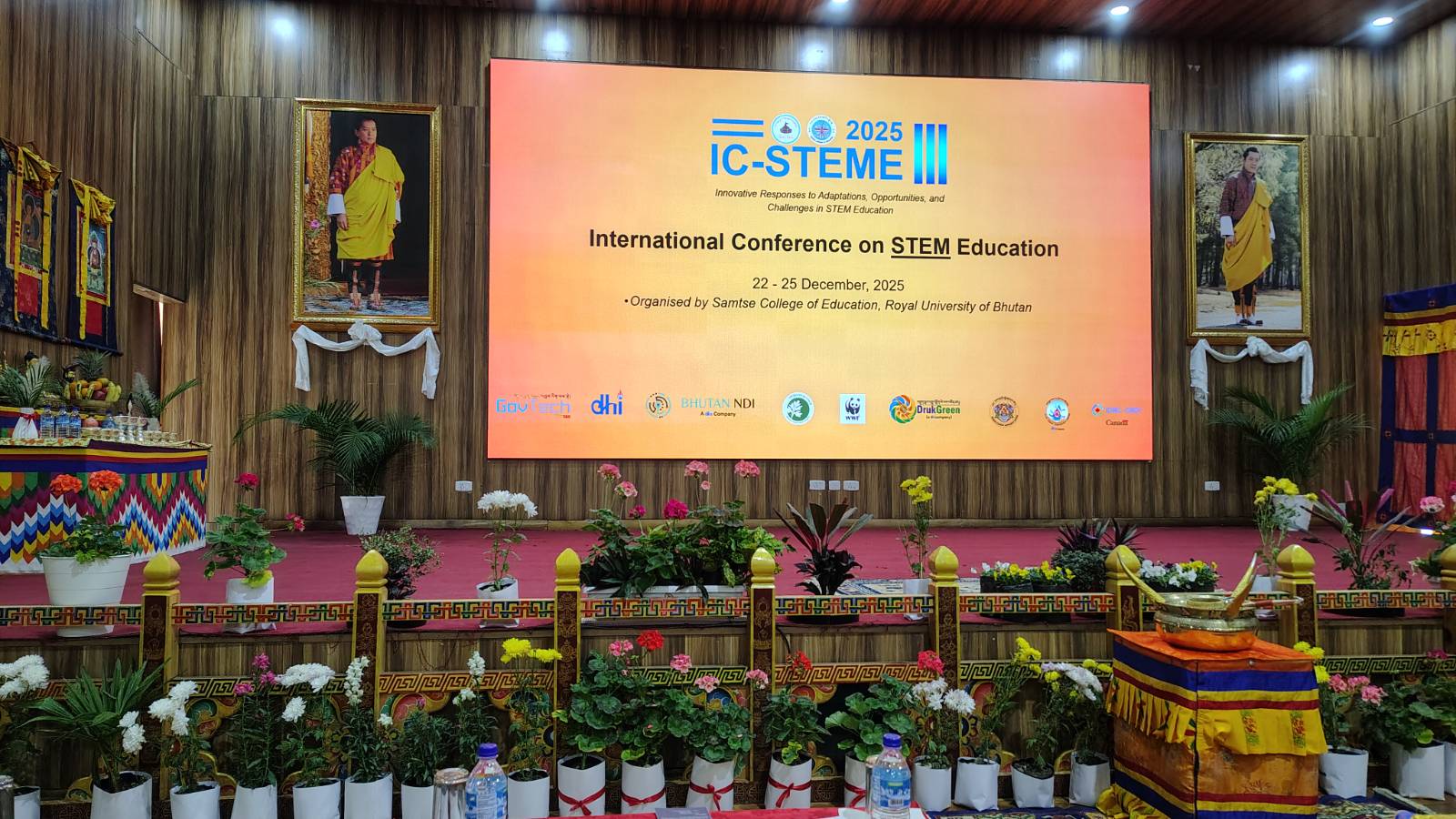
During my visit to Bhutan, I got the chance to present my research paper and attend some other presentations and keynote sessions. This experience gave me valuable professional and personal learning, especially about culture, teaching methods, and STEM education
Day 1 – Cultural and Academic Exposure
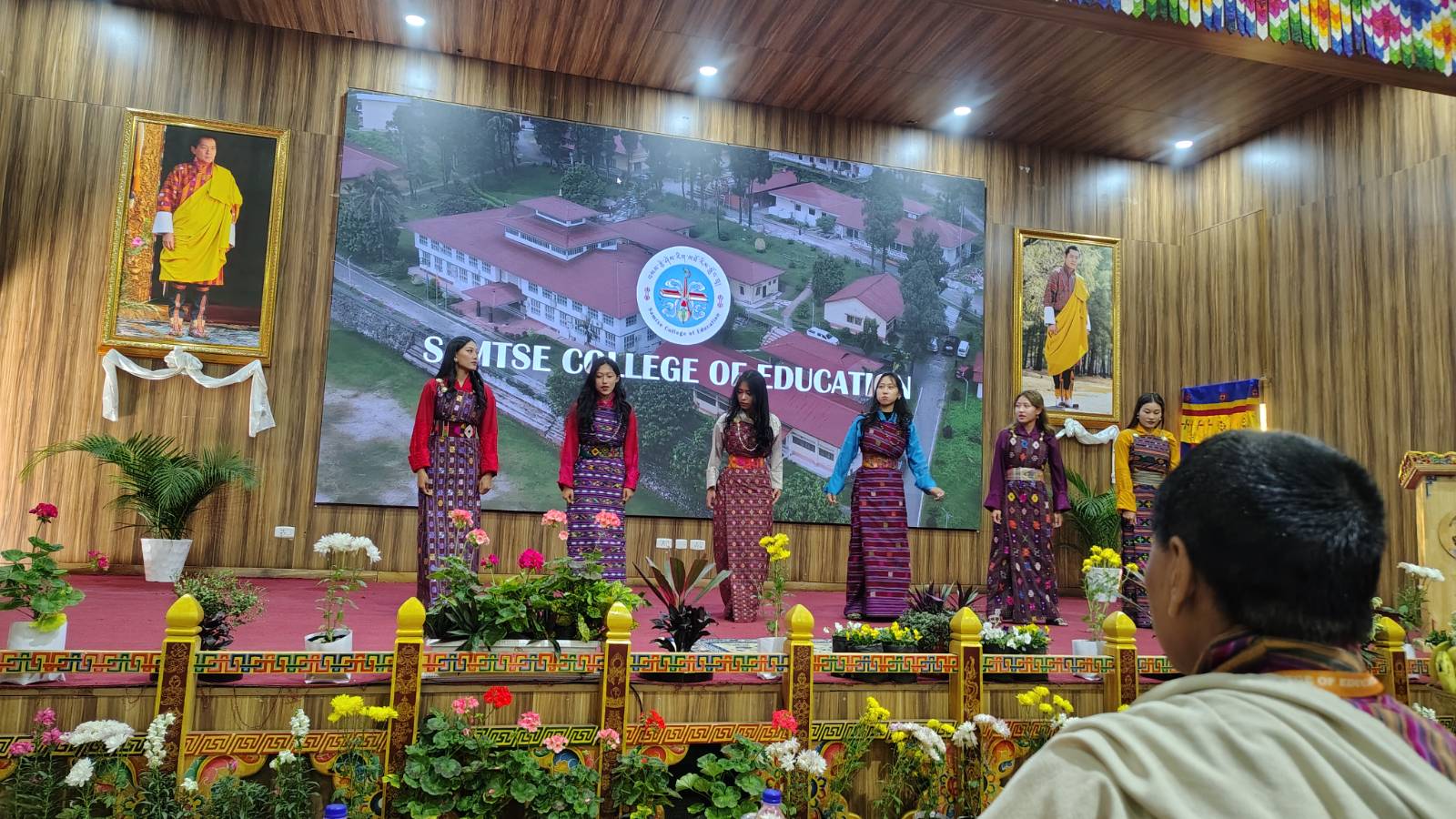
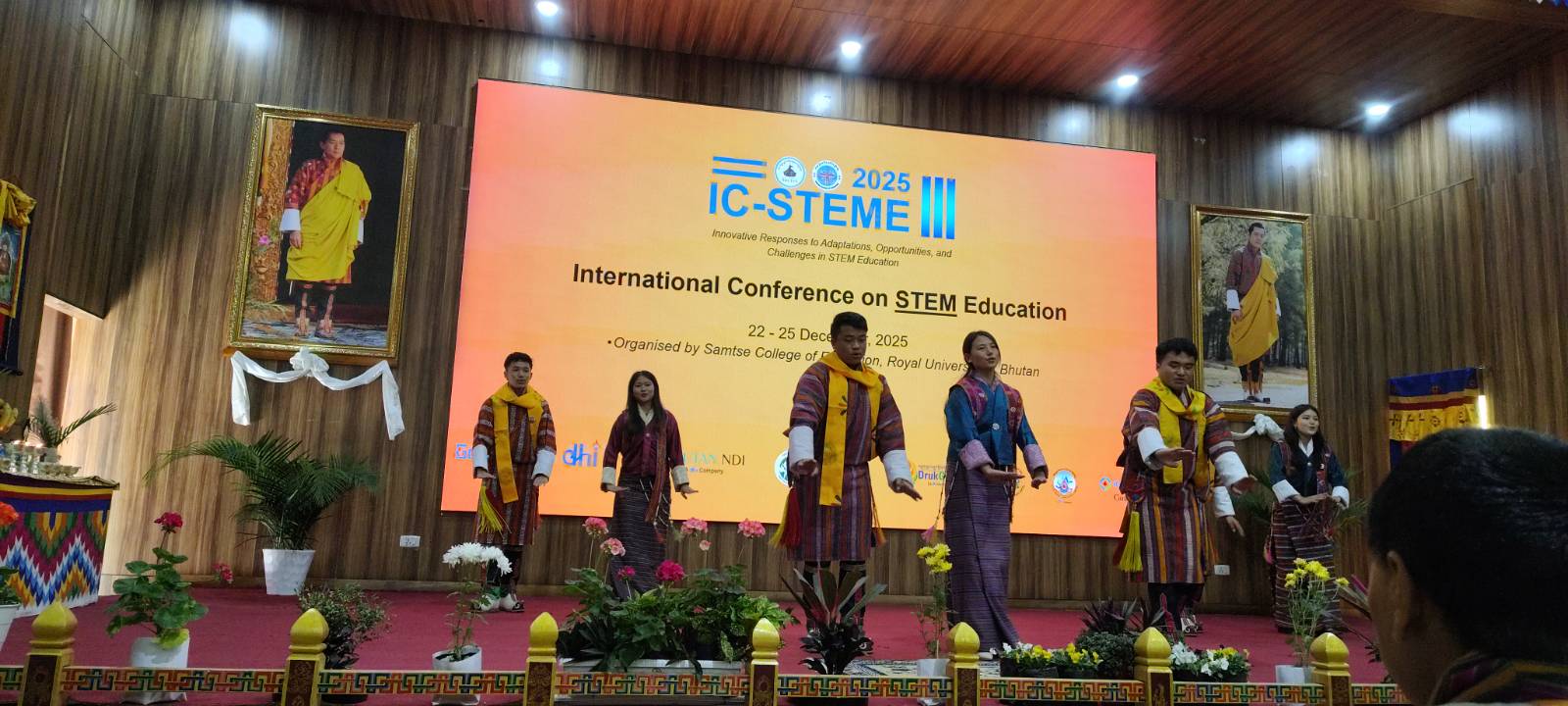
The first day began with an introduction to Bhutanese culture. We learned about their ways of showing respect, cultural mantras, and traditional dances. This cultural immersion helped me understand how deeply values, mindfulness, and respect are embedded in their education system.
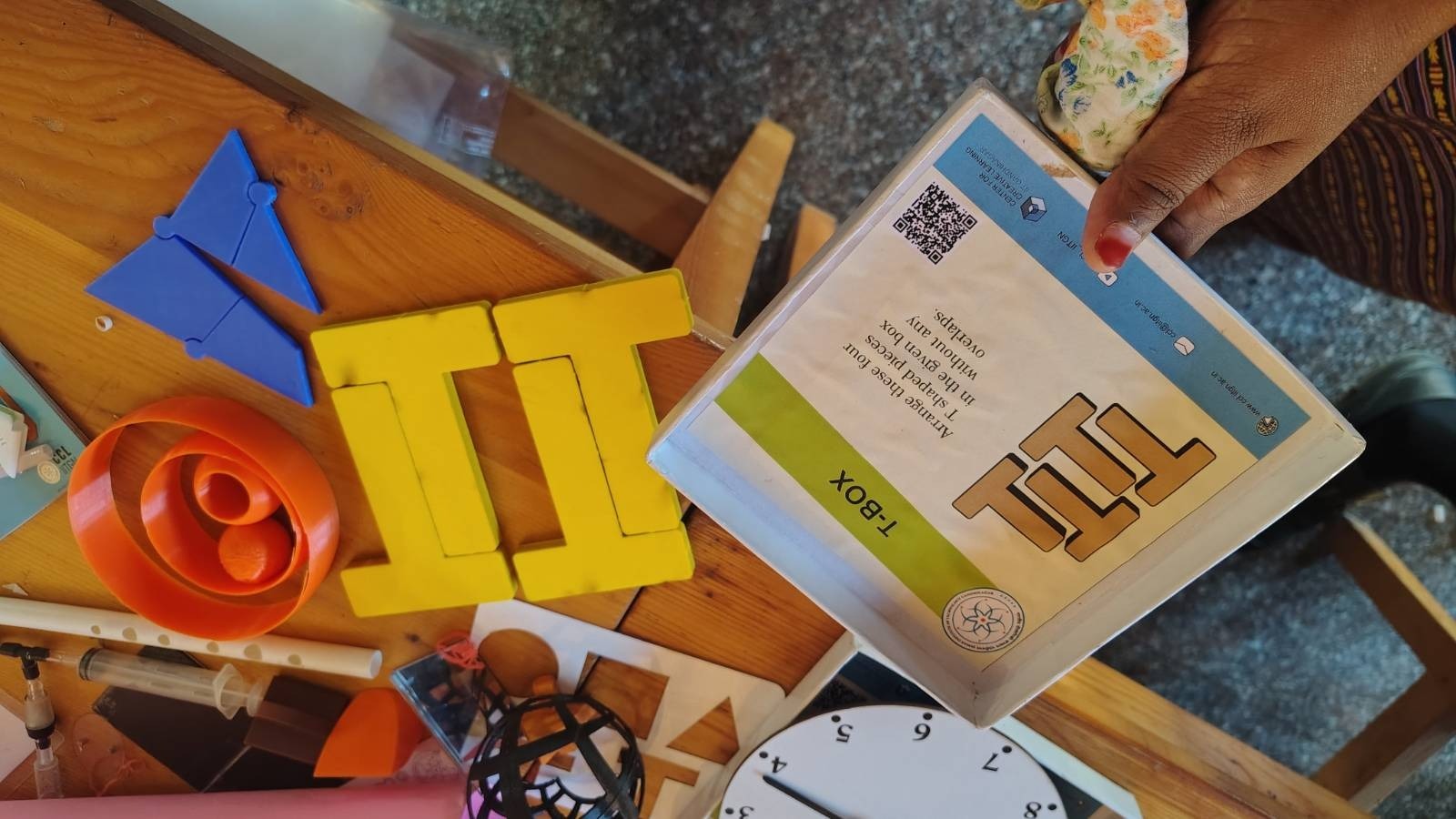
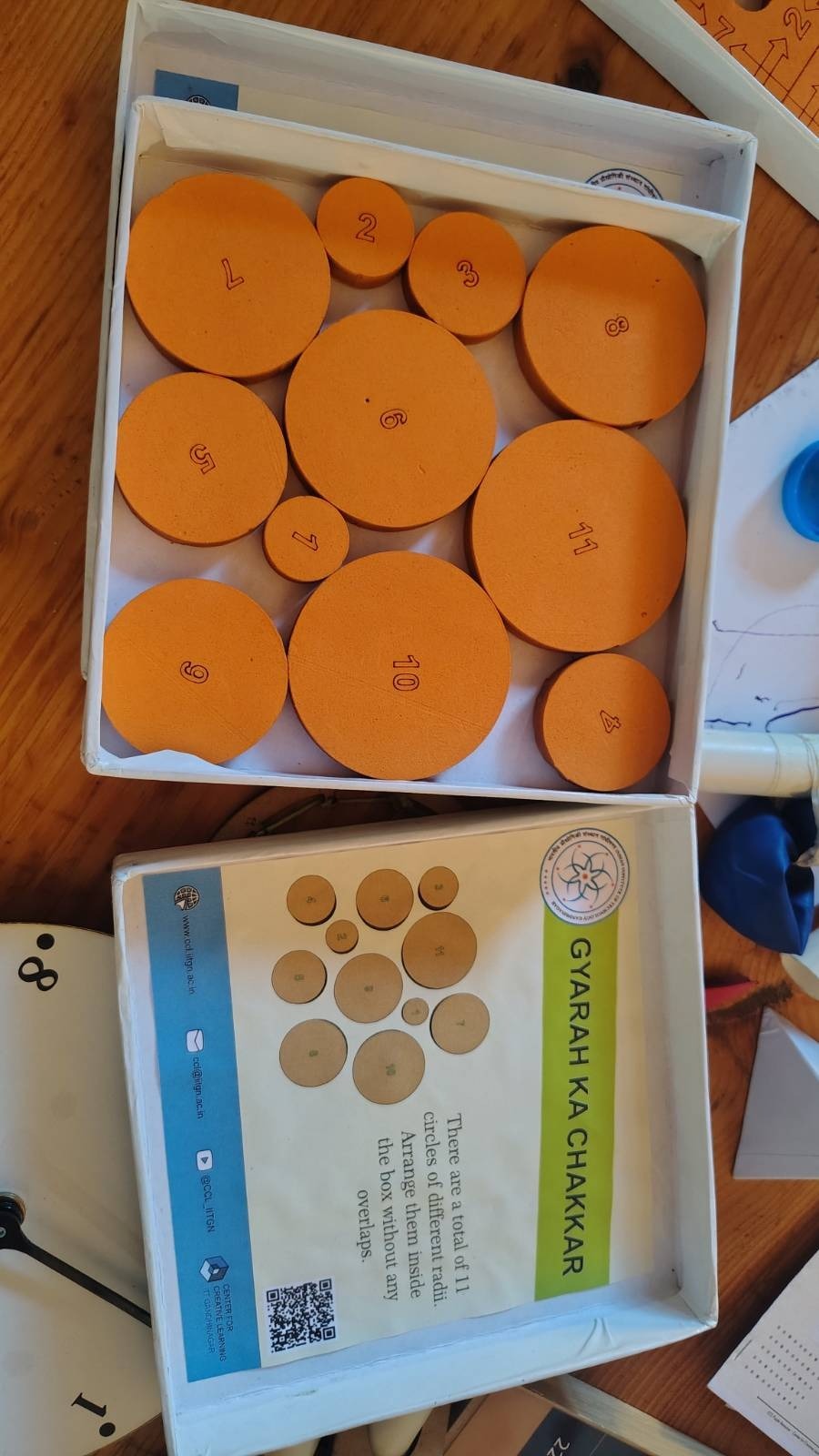
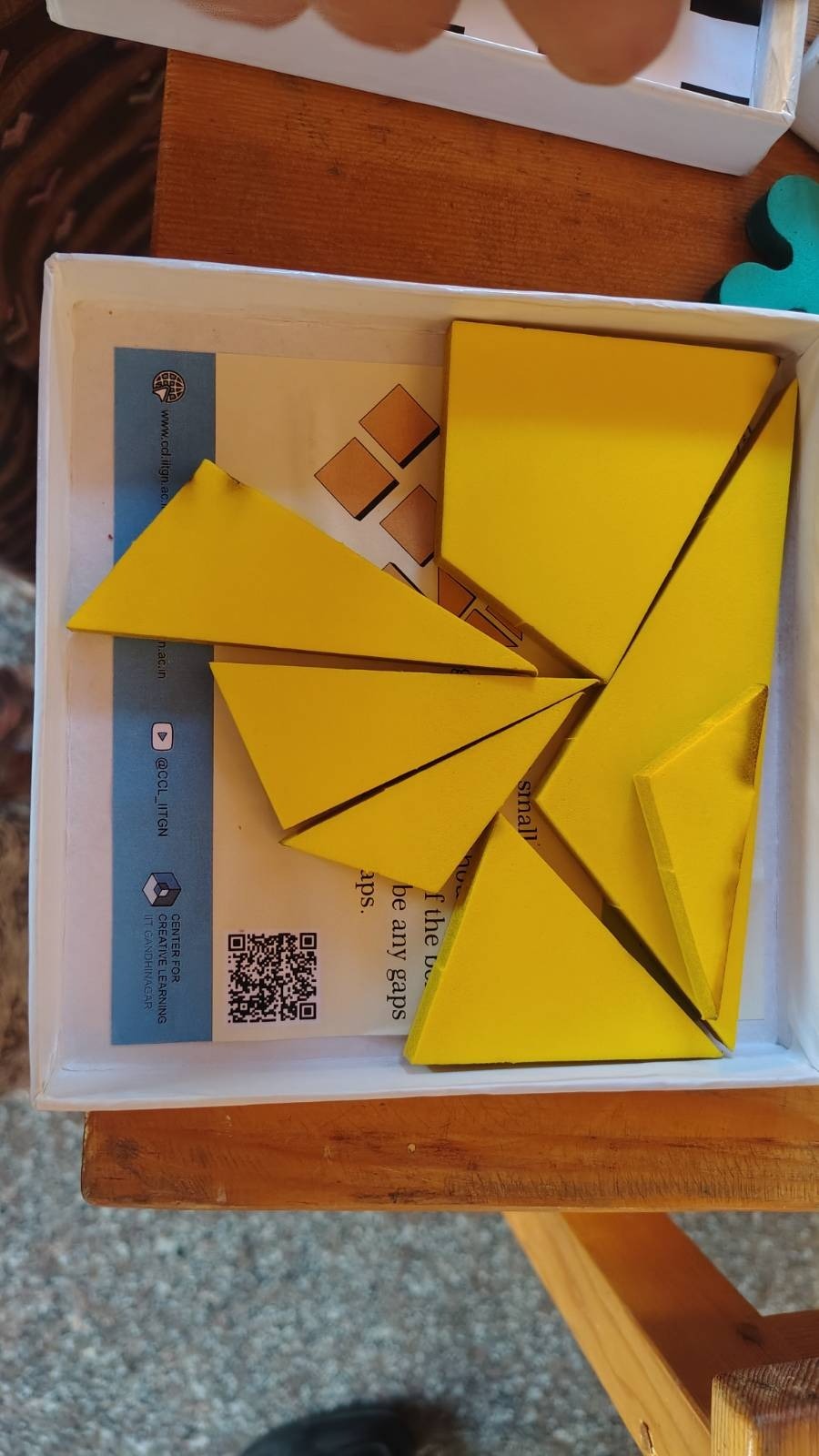
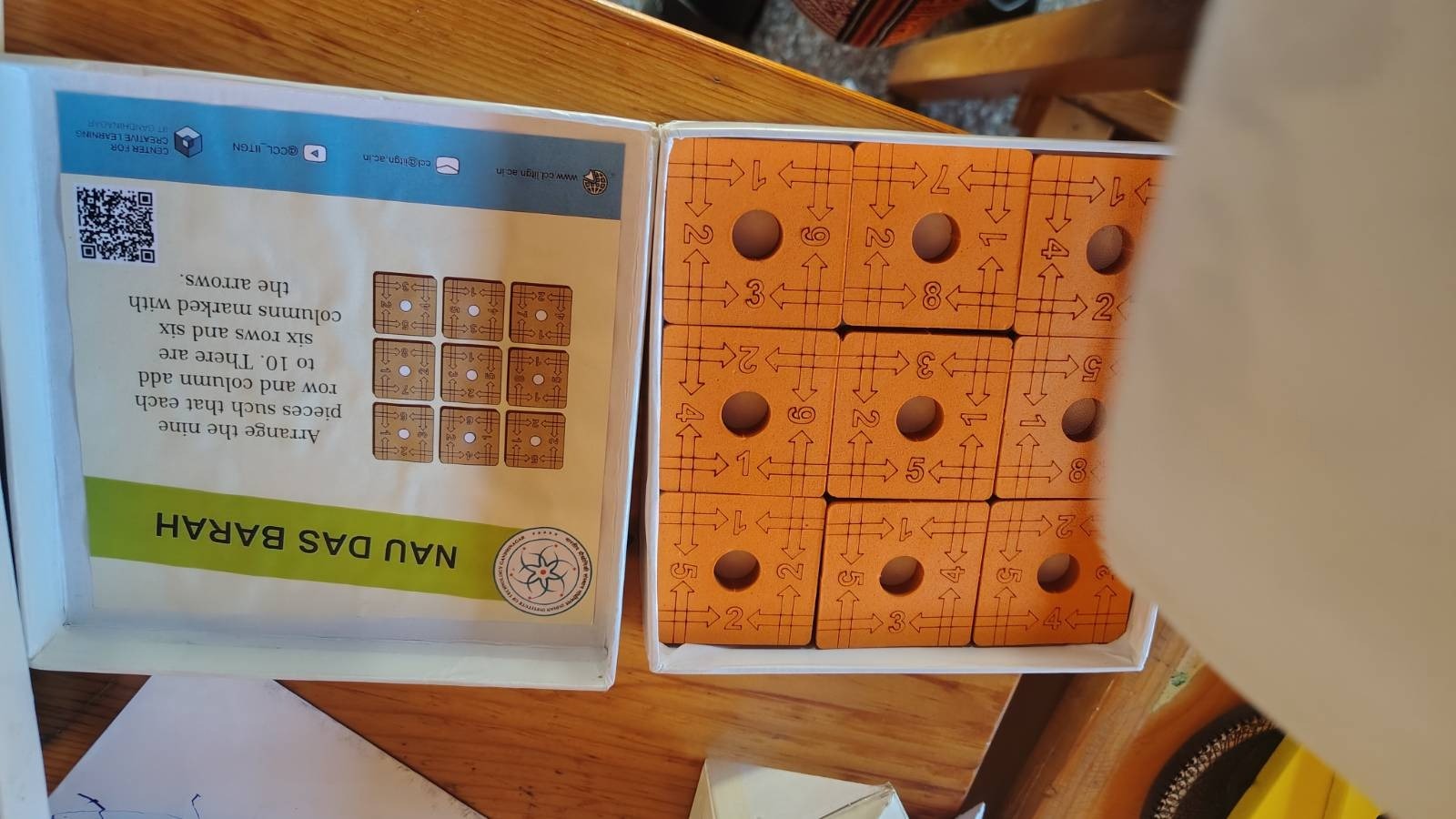
We also interacted with Manish Jain from IIT Gandhinagar, who demonstrated how mathematics and science concepts can be taught using simple, everyday materials. His approach of creating puzzles with foam sheets and easily available resources highlighted the importance of experiential and low-cost learning. This session inspired me to rethink how abstract concepts can be made tangible and engaging for students.
Paper Presentations Attended
- Affordances and Barriers to Technology Use in Bhutanese Secondary School Science Classrooms – by Norbu Wangdi
This paper explains that technology can help learning, but it also has challenges. Teachers should use technology with a clear purpose and in ways that fit the classroom, instead of using it just because it exists. - Enhancing Grade 10 Students’ Understanding of Biological Concepts Through Hands-On Activities – by Sonam Zangmo
This paper shows that students understand biology better when they learn by doing activities. Hands-on learning helps them grasp concepts more clearly than just reading or listening.
Day 2:
The second day started with a warm welcome followed by keynote sessions by Tonny and Bodil on addressing gifted learners in STEM through formative assessment.
From this keynote session, I learned that supporting gifted students does not need separate programs. It is about noticing each student’s differences and using everyday classroom activities to meet their needs. Differentiation means giving choices, helping students go deeper, using different methods, and letting them learn at their own pace. Assessment is not just about tests, but a way to encourage curiosity, motivation, and overall growth.
Paper Presentations Attended
- Unravelling(slowly understanding) Newtonian Knots: An Investigation into Misconceptions in Physics in Bhutanese Secondary Schools
This paper shows that students often learn physics by memorizing formulas without truly understanding them. Many students have wrong ideas about basic concepts like force and motion because they do not get enough hands-on practice or proper checking of their understanding. The study highlights the need for simple explanations, experiments, and early identification of misconceptions. - Girls in STEM Education: Prospect and Challenges in Bangladesh
This research explains that girls face many challenges in continuing with STEM subjects, even though they do well in school. Lack of lab facilities, limited practical learning, and insufficient support reduce their interest and confidence in STEM. The paper emphasizes creating better learning environments and support systems so that more girls can stay and grow in STEM fields. - The Effectiveness of Using GeoGebra for Grade Ten Students in Learning Graphs of Linear Inequalities
This study shows that students understand mathematics better when they can see and explore concepts visually. Using tools like GeoGebra (OER -Open Education Resources) makes learning more interesting and helps students clearly understand graphs and inequalities. The paper highlights the value of using simple digital tools to improve learning.
My Reflection:
This visit helped me understand the importance of respecting culture, using hands-on learning, and applying meaningful assessments that match each learner’s pace.
It inspired me to focus on real-life context, and inclusive teaching methods that support all learners.
Author

poovizhi@auraauro.com
Related Posts
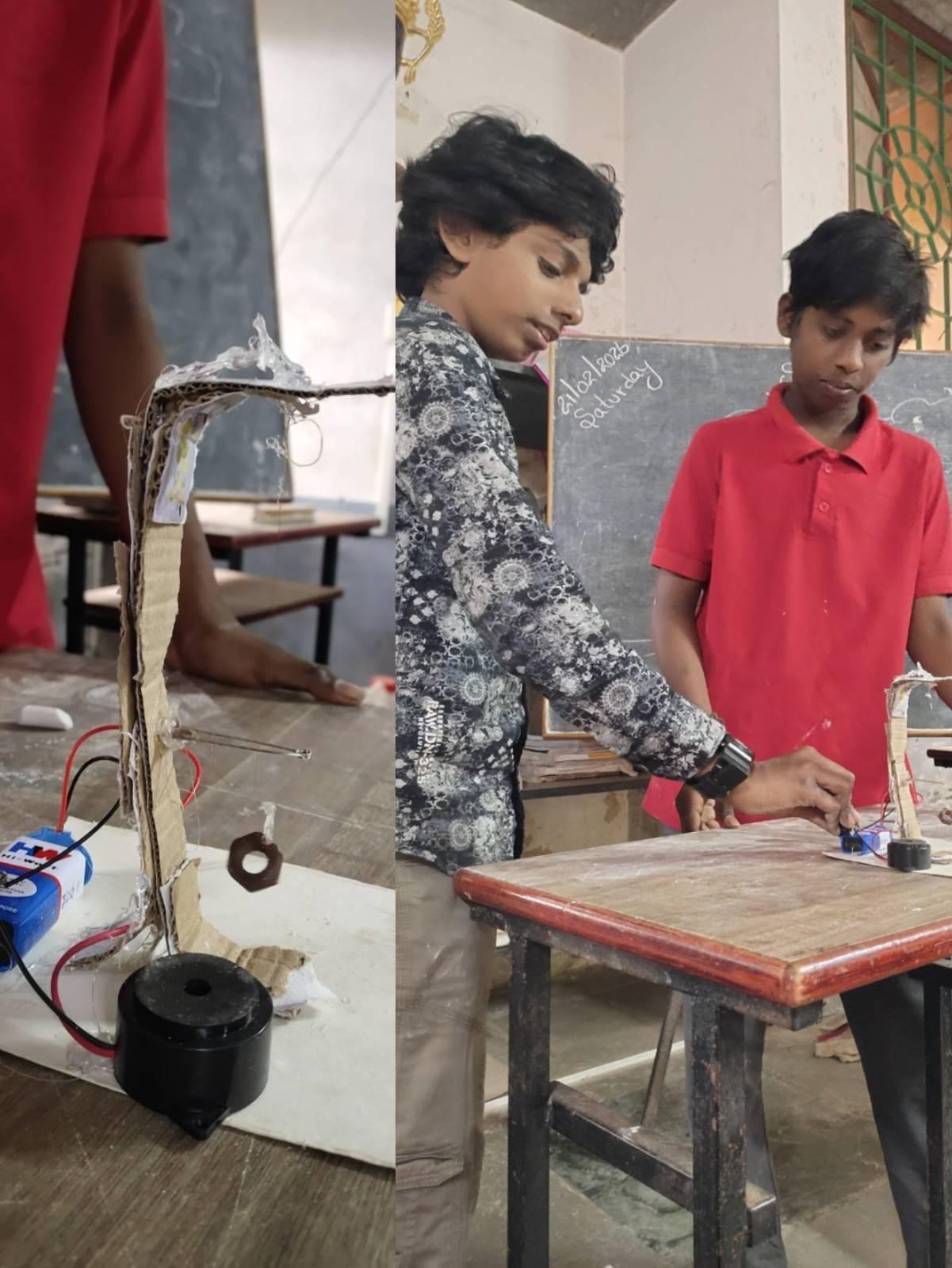
Encouraging Active Learning Through Student Presentations on Natural Phenomena
-Vaishnavi Problem Statement While I attempted to make my science session creative and more than understanding facts and information and often did...
Read out allLearning Together, Growing Stronger
-Sandhiya Saravanan, SandhiyaBala, Ajay I, Tamilarasan, Durai, Ajay D, Kugan, Pachaiyappan, Praveenkumar, NithyaSanthosh and Sivaguru Every morning, from 7:50 to 9:00, we...
Read out allC3STREAM Land and the Auroville Institute of Applied Technology College hosted the 41st International Cloudflight Coding Contest.
The Cloudflight Coding Contest (CCC) is a level-based problem-solving with a code challenge. The competition takes place once a year, with 5,000...
Read out all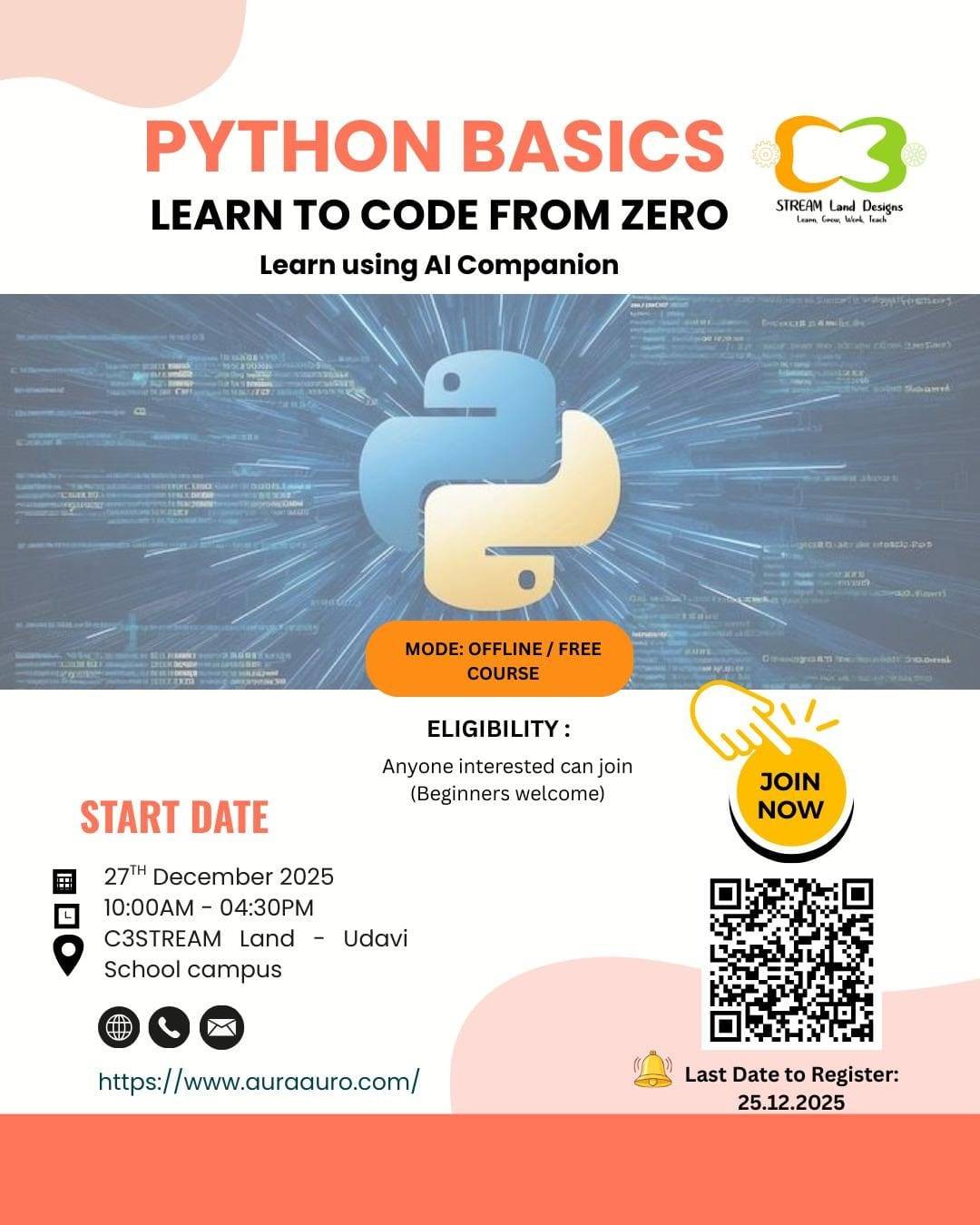
Python Basics Course from 27th Dec 2025
Link to register https://forms.gle/H4jYQyaZjkqNtHPF7
Read out allCare in Crisis
~ Arunkumar, Soundhariya, Premkumar From STEM Land, some of us attended the Integral Education Program (IEPG). There, we had different activities such...
Read out all
Astrolabe Workshop
-Gunavathi, Jayabharathy, Poovizhi, Sanjay, Vaishnavi, Abinaya, Pravin, Praveen, Atchudhan, Saranya, Preethi R, Poonguzhali, Ilakiya , Preethi P and Vasanth On the 7th...
Read out all