
– Sandhiya Bala, Sivabharathi and Meenatchi
Our school software is used to track children’s learning progress at Isai Ambalam School. It supports weekly planning, assessment, and monthly progress cards for each child.
The software was originally running on Python 3.6. Since the older Python environment was no longer supported on our hosting platform, we decided to upgrade the software to Python 3.12, along with the required Django version and supporting libraries.
This upgrade became more than just a technical change. It gave us an opportunity to understand the existing software, fix compatibility issues, improve the system, and add features based on the actual needs of teachers.
Improving the Isai Ambalam School Software
At Isai Ambalam School, teachers use the software to create weekly plans, assess children’s progress, and prepare monthly progress cards.
During the upgrade, we implemented several new features and improvements:
- Added the option to select one child and multiple subjects while entering assessment marks.
- Improved Tamil text display and font support.
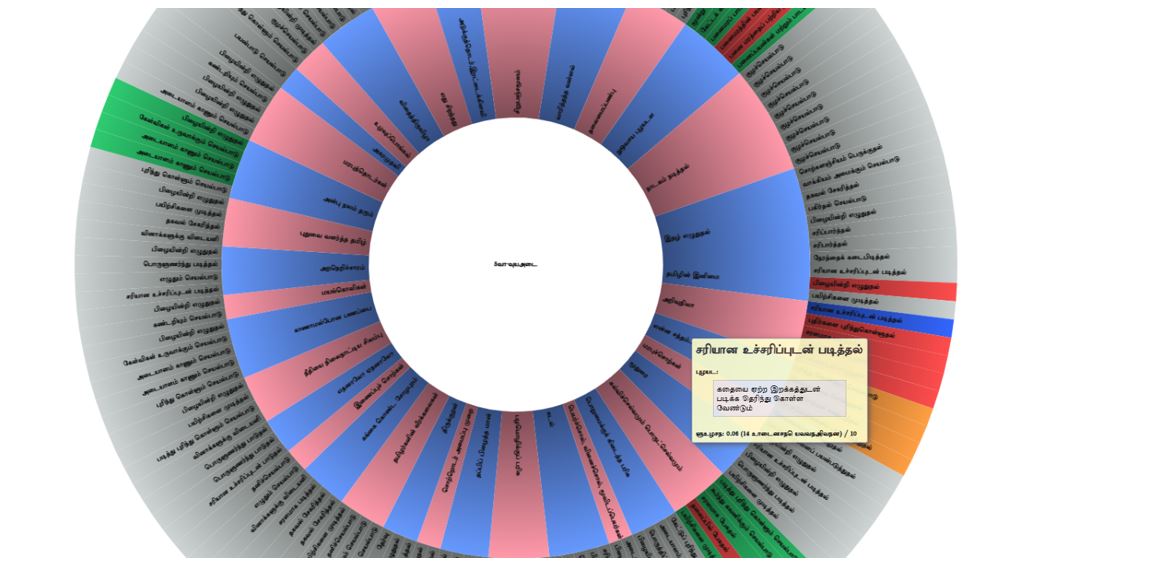
- Made the Sunburst chart responsive for different screen sizes.
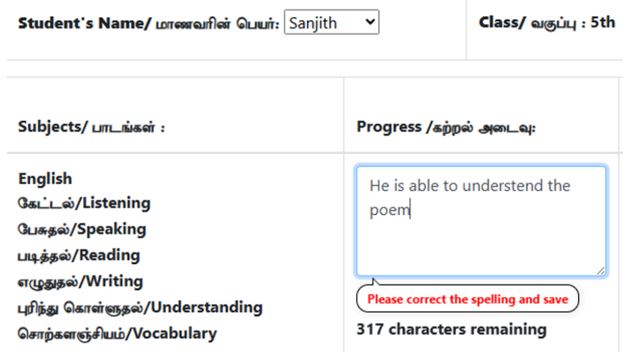
- Added a spell checker on the progress card page.
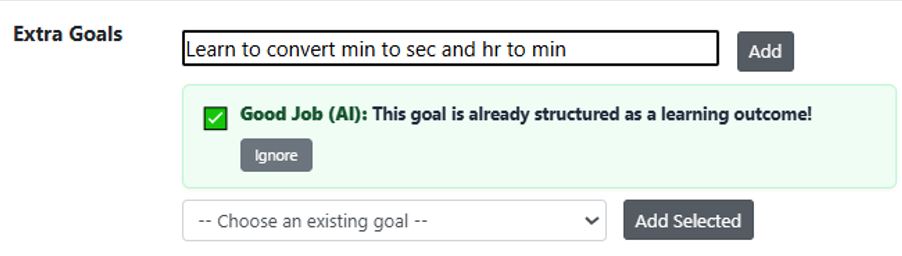
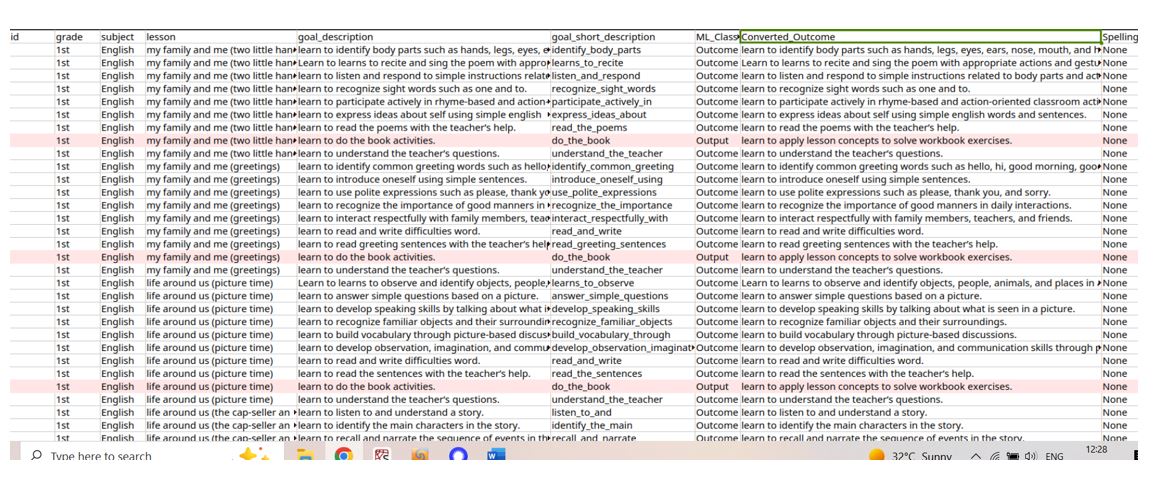
- Added an AI model to identify whether a goal is an output or an outcome.
- Added duplicate progress card prevention.
- Added real-time AI suggestions using the Gemini API in Extra Goals.
- Added start date and end date for planning and assessment.
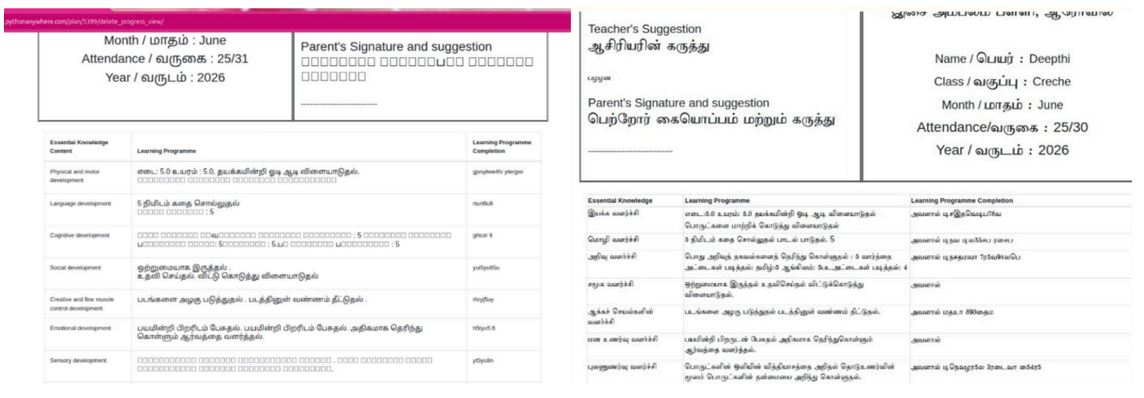
- Improved printing and alignment in the progress card.
- Fixed compatibility issues that came up during the Python and Django upgrade.
The start date and end date feature is especially useful when a teacher forgets to enter a plan or assessment for a previous week. The teacher can select the required dates and complete the missing work.
The one-child and multiple-subject assessment feature makes it easier for teachers to enter marks for several subjects without repeating the same process.
These improvements were developed by looking at how teachers actually use the software and what difficulties they face.
Learning from Teachers
During the upgrade, we wanted to understand how the software was being used in the school.
We had two feedback sessions with the Isai Ambalam School teachers. They shared their experiences, difficulties, and suggestions while using the software.
We also introduced the software to new teachers and explained how it supports weekly planning, assessment, and monthly progress cards.
These discussions helped us identify areas where the software could be made simpler and more useful. Based on the feedback, we worked on improvements such as planning and assessment features, multiple-subject assessment, and other usability improvements.
For us, these feedback sessions were an important part of the project. They helped us understand that software development is not only about writing code. We also need to listen to the people who use the software and improve it based on their real needs.
Support from AIAT Interns
Two second-year B.Voc interns from AIAT College, Sivabharathi and Meenatchi, worked with me during the project.
Their main contribution was exploring AI approaches to identify whether a goal was an output or an outcome.
They explored different AI models and approaches and finally worked with the Sentence Transformer model and Cosine Similarity approach. They also supported testing, debugging, and improving the new features.
I mentored them throughout this process, and at the same time, I learned a lot from them about AI and different ways of experimenting with models.
Their contribution was valuable because they brought curiosity, experimentation, and a willingness to explore different approaches to the project.
Exploring AI for Goals
One of the interesting parts of this project was exploring how AI could support teachers while preparing progress cards.
We wanted to check whether the goals entered by teachers were more like an output or an outcome.
We acknowledge Sanjeev Anna, our steward, for his valuable feedback on the AI features, and Amarnath for sharing ideas about useful AI features for the school software.
We explored different approaches, including:
- Cosine Similarity
- Logistic Regression
After comparing the approaches, we found that Cosine Similarity worked better for our goals. In our testing, it gave around 80% accuracy for the goals we checked.
This helped us understand that AI can be useful as a supporting tool for teachers. The intention is not for AI to make the decision instead of the teacher, but to provide a useful suggestion that the teacher can review.
AIAT Interns’ Reflections
Sivabharathi
Working on the Isai Ambalam School software provided a valuable learning journey and a great experience. As a B.Voc student, my partner and I contributed to this existing real-time project as part of our internship, modifying and implementing features based closely on feedback from the teachers.
Together, we worked on implementing the calendar functionality, refining template key mappings, and debugging other system errors to improve usability. Our mentors also guided us through API integration and PythonAnywhere deployment.
Working on a live system helped me understand how to manage complex workflows within an established codebase. I have noticed significant growth in my confidence and attention to detail. I feel happy that our efforts will assist teachers in supporting student progress at Isai Ambalam.
Meenatchi
Working on debugging and testing the new features of the Isai Ambalam School software was a great learning experience.
I gained hands-on understanding of how software can be used to support students’ developmental goals. I also enjoyed collaborating with others to identify and resolve technical issues together.
A Learning Journey
Upgrading both school software systems from Python 3.6 to Python 3.12 required us to understand the existing code, upgrade Django and other libraries, fix compatibility issues, and test the different features.
At the same time, we were able to improve the software based on the actual needs of teachers and children.
The project also gave us opportunities to learn about AI, API integration, model comparison, deployment, testing, and working with a live school software system.
For us, this work shows that software development is not only about technology. It is also about listening, learning, testing, collaborating, and improving based on real needs.
The school software will continue to grow as we learn more from the teachers and children who use it.
Our goal is to keep the software simple, useful, and focused on understanding and tracking the learning progress of every child.
My Reflection – Sandhiya Bala
Working on the school software upgrade was a very useful learning experience for me. I learned to fix Tamil font display in the Sunburst chart, improve print alignment, and implement start and end date features. I also went through the existing code and learned about AI models while working with the AIAT interns. This experience gave me more confidence and encouraged me to continue learning and improving the school software.
Author

sandhya@auraauro.com
Related Posts
From Comfort to Courage: A Journey Towards Conscious Living
-Jayabharathy Looking back at my professional journey, I realize that the biggest transformation was not changing organizations but it was changing the...
Read out all
Enhancing Health Through Yoga Practice
-Sivaguru, Saranya, Vaishnavi,Ajay I, Meenatchi, Sri Bhavani, Poonguzhali, Preethi P, Abinaya and SandhiyaBala Each Monday we have a session on self-awareness with...
Read out allSeeing and Documenting a New Narrative: Connecting RTL and The Satvic Revolution
-Saranya I stand for equality and happiness for myself and others. Reading The Satvic Revolution became more than just reading a book....
Read out allSetting up Physics laboratory in NESS school.
-SriBhavani As part our volunteer work with schools, this year we have started supporting Higher Secondary grades in NESS school. I started...
Read out allBeyond Job Descriptions: Building a Culture of Shared Stewardship
-Tamil and Sandhiya Saravanan Beyond Specialization Most organizations are designed around specialization. There is an accountant to manage finances, an HR professional...
Read out all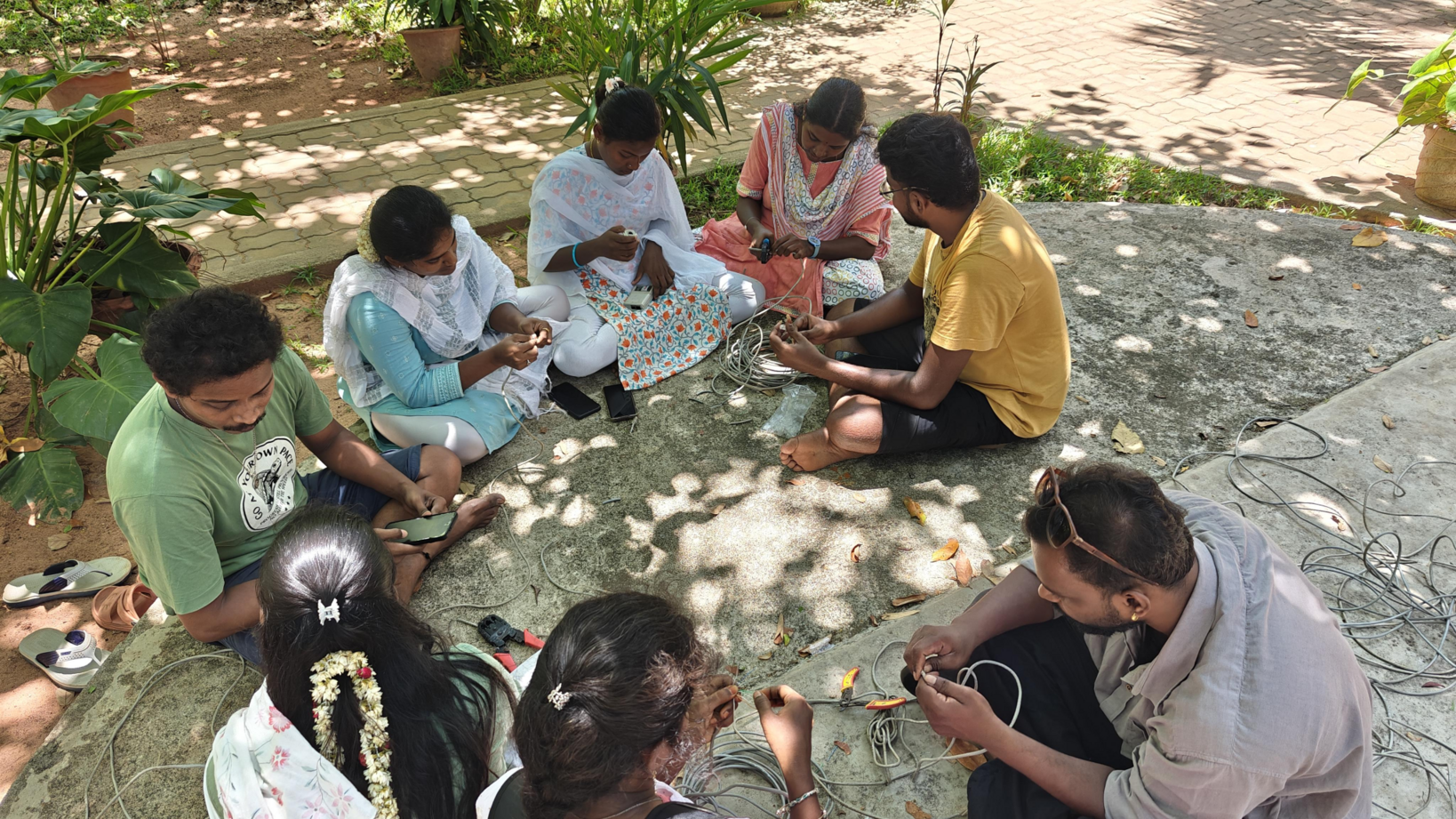
Learning Ethernet Crimping Through Peer Learning at NESS School
-Vaishnavi, Poongzhali, Atchudhan, Arunkumar, Aarthi, Nithya Sandhosh, Preethi P, Ajay On 19th May, we from STEM Land visited NESS School for Ethernet...
Read out all